Accident
Accident
Waymo's driverless cars crash less often than people
Investigating emergency response, safety protocols, and subsequent reviews of Waymo's driverless cars crash less often than people
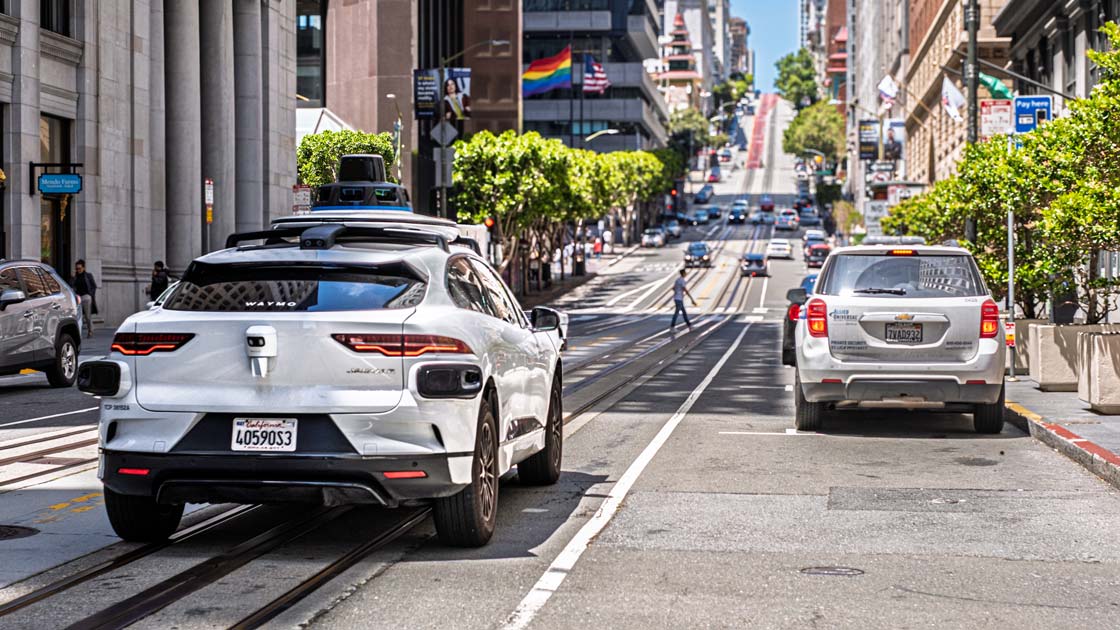
Image Source: iihs.org (Official Source)
Point Outline & Key Takeaways
•**Significant Relevance**: Recent updates regarding Waymo's driverless cars crash less often than people dating back to 2026 have drawn global attention, highlighting its broad footprint.
•**Structural Adjustments**: Public interest groups and community advocates are calling for policy revisions in light of Waymo's driverless cars crash less often than people.
•**Public Perception**: Media coverage and independent surveys indicate shifting opinions on the long-term viability of these trends.
•**Global Precedent**: International committees are preparing comparative reports to analyze the impact of Waymo's driverless cars crash less often than people across regional borders.
•**Future Resilience**: Industry analysts recommend careful planning to address upcoming changes connected to Waymo's driverless cars crash less often than people.
*Image Source: iihs.org*
Introduction

The growing discussions surrounding Waymo's driverless cars crash less often than people represent a significant event in contemporary records, carrying notable implications for safety metrics, emergency response coordination, and preventive standards. As modern media channels expand and public forums capture a higher density of community feedback, understanding the direct impacts of Waymo's driverless cars crash less often than people is critical. Scholars and industry professionals alike observe that these developments are not isolated incidents but rather indicate a larger shifting paradigm.
By evaluating the core patterns of Waymo's driverless cars crash less often than people, observers are beginning to notice a shift in public engagement and organizational structure. Instead of adhering to static historical models, current frameworks must adapt to new community standards and regulatory expectations. In the following sections, we will explore the detailed chronology of Waymo's driverless cars crash less often than people, its broader societal impact, and actionable recommendations for those looking to navigate this changing landscape.
Detailed Background and Chronology
Official reporting on Waymo's driverless cars crash less often than people has emerged across multiple channels, showing a rapid timeline of events. During the period of 2026, this topic grew into prominence. The primary documentation indicates:
"Hacker News story: Waymo's driverless cars crash less often than people.
Source Social PostView on X
Publisher Desk
XZ
XapZap News
Verified PublisherXapZap News provides rapid, detailed reporting on emerging global trends, curated concurrently across 32 countries.
Article Info
8 min read
3 days ago
Topic Tags
#Hacker News story Waymos driverless cars crash less often than people#driverless#waymos#people#crashes#public#vehicles#safety#report#drivers