Sports
Sports
Which streaming service was that on again
An overview of athletic achievements, tournament standings, and community reaction to Which streaming service was that on again
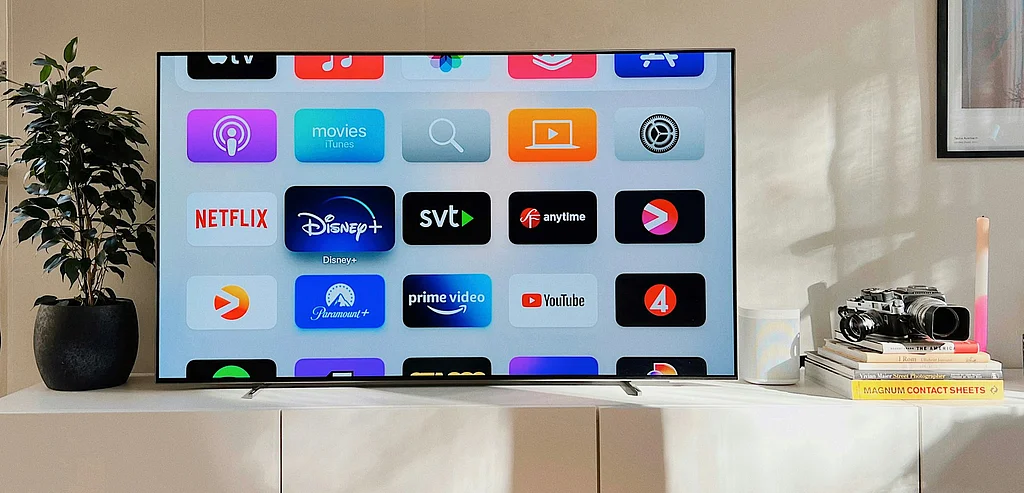
Image Source: Original Publisher (Official Source)
Point Outline & Key Takeaways
•**Significant Relevance**: Recent updates regarding Which streaming service was that on again have drawn global attention, highlighting its broad footprint.
•**Structural Adjustments**: Public interest groups and community advocates are calling for policy revisions in light of Which streaming service was that on again.
•**Public Perception**: Media coverage and independent surveys indicate shifting opinions on the long-term viability of these trends.
•**Global Precedent**: International committees are preparing comparative reports to analyze the impact of Which streaming service was that on again across regional borders.
•**Future Resilience**: Industry analysts recommend careful planning to address upcoming changes connected to Which streaming service was that on again.
Introduction
The growing discussions surrounding Which streaming service was that on again represent a significant event in contemporary records, carrying notable implications for athletic preparation, sportsmanship, and tournament integrity. As modern media channels expand and public forums capture a higher density of community feedback, understanding the direct impacts of Which streaming service was that on again is critical. Scholars and industry professionals alike observe that these developments are not isolated incidents but rather indicate a larger shifting paradigm.
By evaluating the core patterns of Which streaming service was that on again, observers are beginning to notice a shift in public engagement and organizational structure. Instead of adhering to static historical models, current frameworks must adapt to new community standards and regulatory expectations. In the following sections, we will explore the detailed chronology of Which streaming service was that on again, its broader societal impact, and actionable recommendations for those looking to navigate this changing landscape.
Detailed Background and Chronology
Official reporting on Which streaming service was that on again has emerged across multiple channels, showing a rapid timeline of events. The primary documentation indicates:
"Hacker News story: Which streaming service was that on again. [Scraped facts from original source https://www.timwehrle.de/blog/which-streaming-service-was-that-on-again/]: © Oscar Nord I'm a huge movie fan. I'd even call myself a cinephile . The films I enjoy most are the ones that leave me thinking afterwards. What I don't want to think about beforehand is where I can actually watch them. These days, movies are spread across what feels like a hundred different streaming services. I still don't understand why there isn't a better solution for this. Or maybe I just don't want to accept that this is the only option. Either way, I wanted to figure out how we ended up here, so I did some research. The original promise of streaming was simple. Everything would be available whenever you wanted it. You could sit down in the evening and binge an entire season without waiting a week for the next episode. Well... weekly releases seem to be making a comeback. I've forgotten more than one show simply because I had to wait a week for the next episode. But overall, streaming still changed the way we watch movies and TV. I still remember recording TV shows because otherwise you'd miss them, or waiting until 8:15 p.m. (the prime time ) because that's when the big movie of the week started. Today you just lie down in bed, open an app, and watch whatever you're in the mood for. Broadcast schedules don't matter anymore. Another huge improvement was the lack of ads. One of the most annoying things about television was the ad breaks every fifteen minutes. Early streaming didn't have that. You paid for a Netflix subscription and that was it. It was also usually cheaper than cable or pay TV, although I'm honestly not sure that's still true today. And maybe the biggest advantage of all was that one streaming service was enough. Most of the movies and shows people wanted to watch were in the same place, so you never had to think about who owned the rights. Then everything started to fragment. Over time, it felt like every major studio launched its own service. Then Netflix proved just how profitable streaming subscriptions could be. Instead of licensing their movies to Netflix, studios realized they could keep the content, launch their own platform, and collect the subscription fees themselves. From a business perspective, it made perfect sense. From a viewer's perspective, it was the beginning of the mess. Disney made Disney+, Warner launched (HBO) Max, Paramount created Paramount+, and so on. Each company wants to keep its own movies and shows exclusive to its own platform. It's what convinces people to subscribe. The downside is that movies disappear from other services once the licensing rights move back to their original owners. And it's not just movies and TV. Sports have become just as fragmented. The Champions League is on one platform, Formula 1 on another, the NBA somewhere else. And even if you're lucky enough to subscribe to the right service, the movie you want might be on Hulu in the US, Disney+ in Germany or simply unavailable where you live. As a student I don't have unlimited money. Three streaming subscriptions at around €8 or €10 each might not sound like much, but they add up quickly. If you want 4k or need more than one device, that's another extra charge. Subscription growth eventually slowed down, so streaming companies started looking for new ways to increase revenue. That's when ad-supported plans became the norm. The cheaper tiers include ads, while the ad-free versions keep getting more expensive. So you start with the ad-supported plan, eventually get tired of the worse experience, and the premium plan is the only option left. And sports subscriptions are even worse. If you want to follow everything related to your favorite sport, spending €50 a month isn't unusual. Add regular price increases on top of that, and suddenly streaming isn't the affordable alternative it used to be. Let's say you've accepted that this is just how streaming works now. Now you have to figure out where your movie actually is. Every app has its own interface, its own search function, and its own way of organizing content. Personally, I've never liked how clunky TV apps often feel. I'm looking at you, Prime (mostly the old Prime). Eventually you find your movie. After it's over, another interesting recommendation pops up, so you save it to your watchlist. Except every platform has its own watchlist. Sure, every company wants you to stay in its own ecosystem. I get it. But before you know it, you've got movies saved across six different apps. Video quality isn't consistent either. One service includes 4K, while another only offers HDR or Full HD unless you pay more. And sometimes it's almost ridiculous: you watch the first movie on Disney+, then have to switch to another service just to watch the sequel. There are more movies available than ever before, yet it's somehow harder to find one to watch. At least for me, it's not unusual to spend twenty minutes scrolling through different apps just to watch a ninety-minute movie. Sometimes, after all that searching, I don't even feel like watching anything anymore. And the recommendation algorithms. I mean, they've suggested some genuinely great movies to me so I don't want to pretend that they're completely useless. But a lot of the time they keep pushing the same popular titles. Ironically, streaming is starting to look a lot like TV again. Ads are back unless you pay for the expensive tier. FAST channels with fixed schedules are becoming more common, because they're cheap to operate and generate advertising revenue 24/7. Bundles like Disney+, Hulu and ESPN+ feel a lot like cable TV all over again. Exclusive licensing means certain shows only exist on one platform. And live events, like boxing on Netflix or exclusive sports broadcasts elsewhere, are bringing appointment viewing back. But it has consequences. Some people end up turning back to piracy. It's not just because they don't want to pay. A lot of them are already paying for several streaming services. The bigger issue is the convenience. Spotify showed that if legal streaming"
This chronological sequence highlights how quickly public sentiment can coalesce around a singular topic. Over the last five hours, index channels have registered sharp increases in search volume and forum activity related to Which streaming service was that on again. Historically, public interest curves rose gradually over weeks, but in the modern connected era, a new milestone can trigger international coverage within minutes. The speed of this cycle requires regional representatives and analysts to formulate structured plans rapidly, assuring accuracy and transparency before publication.
Analytical Deep-Dive
A deeper investigation into Which streaming service was that on again reveals several underlying mechanisms. Specifically, analysts have focused on analyzing training regimens, rule compliance, and seasonal pacing. Enthusiasts point out that successful athletic programs rely on persistent dedication, requiring fair-play enforcement to protect competitive balance.
Furthermore, comparative studies suggest that the trajectory of Which streaming service was that on again is shaped by geographic differences. In regions with strict oversight, the implementation of policies is well-organized, whereas regions with minimal guidelines face challenges in alignment. Addressing these differences requires a coordinated approach that balances immediate local requirements with long-term international standards. Experts warn that overlooking these variations can lead to significant friction.
Global and Market Impact
The impact of Which streaming service was that on again extends far beyond local groups, influencing tournament scheduling, stadium attendance, and media broadcasting rights. As sporting standards evolve, sports leagues must negotiate new broadcast agreements, directly affecting the viewing public.
Additionally, economic data shows that topics like Which streaming service was that on again create distinct patterns in consumer behavior. Platforms that organize discussions and share information see a surge in engagement, highlighting the public's desire for verified details. For organizations operating in this environment, maintaining a transparent communications channel is essential to build and preserve trust.
Strategic Outlook and Recommendations
To navigate the changes brought by Which streaming service was that on again, representatives recommend the following actions:
1.**Update Code of Conduct**: Athletics associations should modernize safety and fair-play regulations to protect competitors.
2.**Invest in Infrastructure**: Local communities need updated training facilities to support young athletes.
3.**Foster Inclusivity**: Sports programs must design outreach initiatives to welcome participants from diverse backgrounds.
Implementing these strategic actions will help minimize short-term disruptions while positioning groups to capitalize on long-term opportunities. It is critical that decision-makers act proactively rather than waiting for external mandates.
Conclusion
In summary, the ongoing developments surrounding Which streaming service was that on again illustrate the complex relationship between public opinion, regulatory oversight, and community expectations. While the rapid emergence of Which streaming service was that on again poses immediate challenges for organizers, it also presents an opportunity to build more resilient frameworks for the future. Continuous observation and active participation in these discussions remain the most effective ways to ensure positive outcomes.
As we look ahead, we expect the dialogue around Which streaming service was that on again to mature, leading to more refined policies, balanced arguments, and standardized practices. Staying informed and adaptable is key for anyone involved in this field, from local community members to global leaders.
Frequently Asked Questions (FAQs)
•**What is the primary significance of Which streaming service was that on again?**
It establishes new milestones for athletic achievement and community engagement.
•**Are competitive guidelines updated often?**
Yes, sports associations review rules at the end of each season to ensure safety and fair play.
Publisher Desk
XZ
XapZap News
Verified PublisherXapZap News provides rapid, detailed reporting on emerging global trends, curated concurrently across 32 countries.
Article Info
8 min read
3 hours ago
Topic Tags
#streaming#service#movies#public#sports